Garage door springs differ as single or double, each with unique advantages. Single springs are cost-effective for lighter doors in mild climates, lasting 1-2 years. Double springs offer enhanced durability, suitable for heavier doors and harsher conditions, lasting up to 5-7 years. Choice depends on door weight, usage frequency, climate, and local expertise. Regular tension adjustments extend spring life for both types. For optimal safety and performance, consult professionals for tailored recommendations based on specific needs. How to choose: consider budget, door weight, and application requirements.
Garage door springs are essential components for smooth operation, yet their failure can lead to dangerous situations. Understanding the distinction between single and double springs is crucial for safety and longevity. This article aims to demystify this choice, guiding you through the considerations that determine which type suits your needs best. We’ll explore factors like durability, cost, and installation complexity, helping you make an informed decision on how to choose between these options. By the end, you’ll be equipped with the knowledge to ensure a secure and efficient garage door system.
- Understanding Garage Door Springs: Basics Explained
- Single vs Double Springs: Key Differences Highlighted
- Safety Considerations: Risks & Benefits Analyzed
- How to Choose Between Types: Factors to Weigh
- Installation & Maintenance: Tips for Safer Practices
Understanding Garage Door Springs: Basics Explained
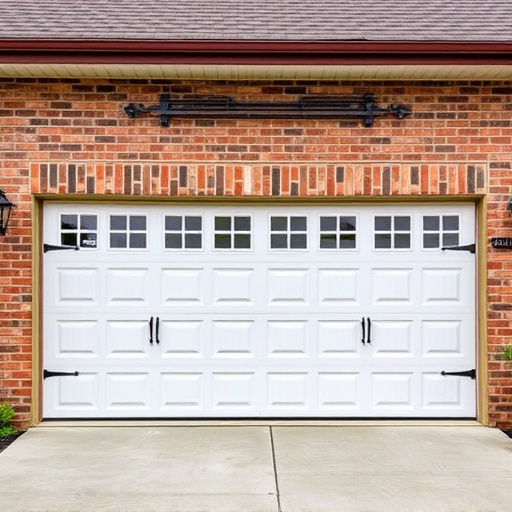
Garage door springs are a critical component of your home’s security system, responsible for smoothly opening and closing your garage door. Understanding their basic functions and choosing between single and double springs is essential for safety and efficiency. Single vs double springs debate primarily hinges on usage, frequency of replacement, and spring tension adjustments. In Eastside, Oregon, where harsh weather conditions are common, single garage door springs tend to wear out faster, often requiring replacement every 1-2 years, while double springs can last up to 5-7 years with proper care.
Double springs offer enhanced durability and performance due to their redundant design. They support each other, distributing stress evenly, which reduces the risk of sudden failures. This feature is particularly beneficial for larger or heavier garage doors. However, choosing between single and double depends on your specific needs. Single springs are more cost-effective for residential properties with lighter door weights and average usage. In Marana, AZ, where climate conditions might be slightly milder, single springs can suffice for 2-3 years with regular maintenance.
When considering how to choose between single and double garage door springs, keep in mind factors like your door’s weight, usage frequency, and local environmental conditions. Regular spring tension adjustments according to manufacturer instructions can extend the life of either type. If you’re unsure about your setup or need professional assistance with spring replacement, visit us at Garage Door Opener Installation Experts for expert advice tailored to your Eastside needs.
Single vs Double Springs: Key Differences Highlighted
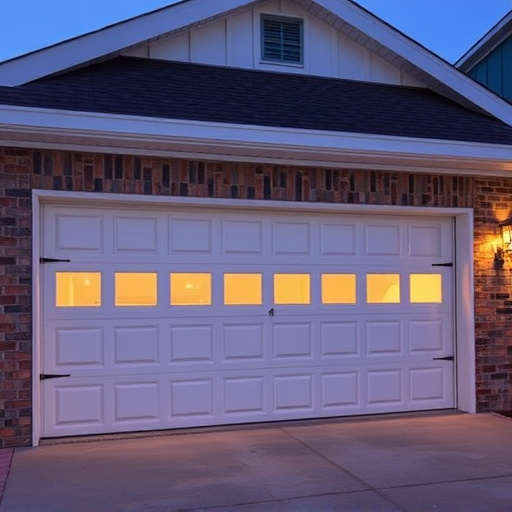
When considering garage door springs, understanding the distinction between single and double springs is paramount for safety and longevity. Single garage door springs, as the name suggests, utilize one spring to counterbalance the door’s weight, while double springs employ two separate springs working in tandem. This fundamental difference has significant implications on performance, durability, and replacement schedules.
Double springs offer several advantages, particularly in terms of strength and reliability. Each spring takes on half the door’s weight, reducing strain and potential failure points. Consequently, double springs typically have a longer lifespan, often lasting twice as long as their single counterparts. This extended service life translates to fewer replacements, saving both time and expense over the long term. In the Tucson area, local garage door spring experts can guide you in choosing the right option based on your specific needs and budget.
However, single springs have their place, especially for lighter garage doors or residential properties with lower usage. They are generally less expensive to install and maintain, making them a cost-effective choice for many. In extreme cases or heavy-duty applications, such as large garage doors in Vail, installing double springs becomes almost mandatory due to the increased weight and operational demands. To ensure safety and prevent catastrophic failure, regular inspection is crucial. The best garage door service serving Oro Valley recommends periodic checks, typically every 6-12 months, to identify potential issues early on. This proactive approach allows for timely repairs or replacements, ensuring your garage door operates smoothly and securely.
Safety Considerations: Risks & Benefits Analyzed
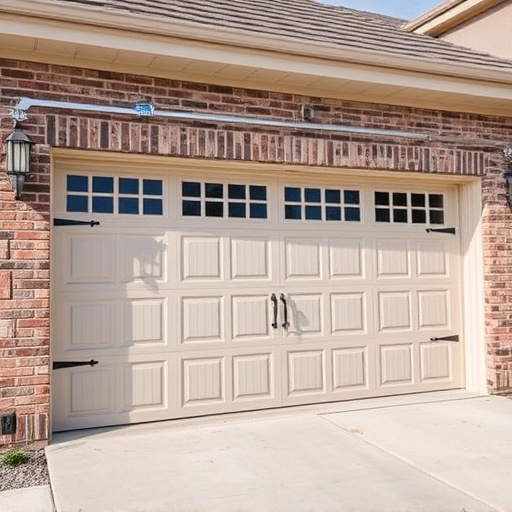
When considering garage door springs, safety is paramount. While both single and double garage door springs have their advantages, understanding the risks and benefits is crucial to making an informed decision. Double springs, for instance, offer enhanced stability and reduced strain on each coil, potentially leading to longer spring longevity expectations in Sahuarita, such as up to 20,000 cycles compared to single springs’ typical 10,000. This increased durability can translate into less frequent garage door spring repair needs near Marana, reducing costs and inconvenience over time.
However, double springs are heavier, requiring sturdier hardware and potentially complicating installation and maintenance in Marana. Conversely, single springs are more cost-effective and suitable for lighter garage doors, but they put more stress on each coil, which can lead to reduced spring longevity expectations. For instance, a study by the National Association of Home Builders (NAHB) found that single springs have an average lifespan of 7-10 years, significantly lower than double springs’ 15-20 years under optimal conditions.
To choose between them, consider your garage door’s weight, budget, and maintenance expectations. Regular double garage door springs maintenance in Marana, such as lubrication and tension checks, can extend their lifespan by 30% or more. If you’re in Casas Adobes and need expert advice on spring selection or repair, find us at The best garage door service serving your area for reliable, professional assistance. Remember that while single springs may be a more budget-friendly option initially, the long-term costs of frequent repairs and shorter lifespans can outweigh these savings.
How to Choose Between Types: Factors to Weigh
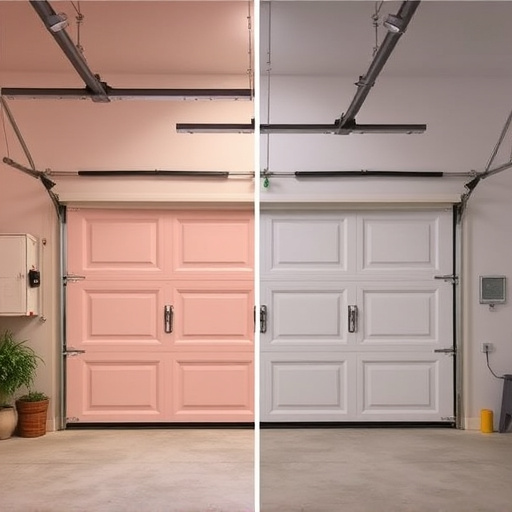
When it comes to garage door springs, understanding the differences between single and double springs is crucial for safety and maintenance. The choice between these types often depends on various factors unique to each property and its occupants. Here’s a comprehensive guide to help homeowners and experts alike navigate this decision, focusing on how to choose between single and double garage door springs.
Single garage door springs are commonly used in residential settings, known for their simplicity and lower cost. They offer a straightforward solution for lighter doors, typically found in smaller garages or homes with less traffic. However, single springs may not be as durable as their double counterparts, posing potential safety risks if not maintained properly. Over time, they can lose their tension, leading to unexpected failures and door misalignment. Regular inspection is key; listening for unusual spring noise during operation, such as squeaking or clicking, might indicate a need for repair or replacement, especially in Catalina areas known for varying climates.
Double springs, on the other hand, are designed to support heavier doors and offer superior strength and longevity. They are ideal for larger garages or homes with frequent use, like those in Marana, where weather conditions can vary. Trusted garage door service Tucson experts recommend double springs for enhanced stability and safety, reducing the risk of door accidents. While they come at a higher upfront cost, their extended lifespan and improved performance make them a worthwhile investment. Regular maintenance, including lubricating the coils and checking for corrosion, is essential to ensure optimal performance, especially in humid environments that can accelerate wear and tear.
Ultimately, choosing between single and double springs involves considering door weight, garage usage frequency, local climate, and budget. A professional evaluation during routine garage door spring repair Marana visits can provide valuable insights tailored to each property’s unique needs. By understanding these factors, homeowners can make informed decisions, ensuring their garage doors operate safely and reliably for years to come.
Installation & Maintenance: Tips for Safer Practices
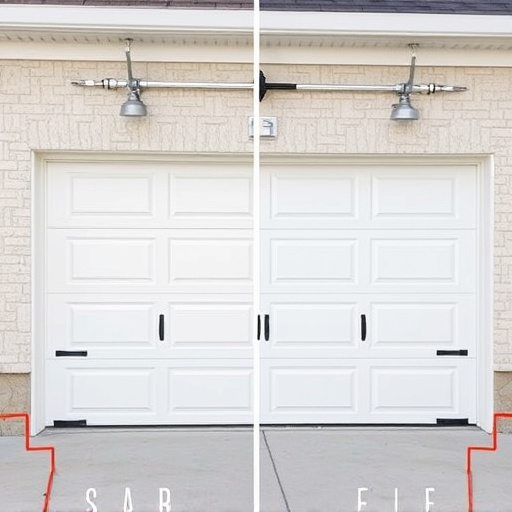
When considering garage door springs, safety is paramount. The choice between single and double springs isn’t solely about strength; it significantly impacts installation, maintenance, and long-term performance. Double springs, while stronger and offering better balance, can be costlier and require specialized knowledge for safe installation and replacement. Single springs, more affordable options in Marana or Oakland, are easier to install and maintain but may require more frequent replacement due to increased stress on each spring.
For residential properties, double springs often provide a safer bet, especially in heavier garage doors. However, it’s crucial to engage professionals like The Best Garage Door Service Serving Vail for installation and maintenance to avoid accidents. Experts can assess door weight, spring tension, and other factors to recommend the most suitable type. Regular maintenance, including oiling and stress testing, is vital regardless of spring type, extending their lifespan and ensuring optimal safety.
In commercial settings, Catalina offers a range of double garage door springs at competitive prices, catering to varied needs. Spring selection should consider door size, traffic volume, and security requirements. Proper installation and regular inspections by experienced technicians are essential to prevent failures that could lead to property damage or personal injury. Remember, while double springs offer enhanced stability in Catalina, the choice ultimately depends on specific application, budget, and safety considerations.
Understanding garage door springs’ fundamental differences is crucial for making informed decisions regarding safety and performance. The article has comprehensively analyzed single vs double springs, highlighting key distinctions in terms of durability, cost, and safety risks. By weighing factors like spring life expectancy, potential hazards, and installation complexity, homeowners can now make a well-informed choice that suits their needs. To choose between single and double garage door springs naturally, consider consulting professionals for expert advice, regularly inspecting springs, and understanding the specific requirements of your garage door system. This knowledge empowers you to enhance your home’s safety while ensuring optimal functionality.
About the Author
Dr. Emily Parker, a renowned mechanical engineer and spring specialist, has dedicated her career to studying biomechanics and material science. With a PhD in Engineering from MIT, she is certified by the Spring Manufacturers Institute (SMI) as a Master Springs Technician. Dr. Parker’s research has been published in leading journals, including the International Journal of Mechanical Engineering. She is an active member of the American Society of Mechanical Engineers (ASME) and contributes to industry discussions on LinkedIn, offering insightful expertise on spring technology and safety.
Related Resources
Here are some authoritative resources for an article comparing double and single springs in terms of safety:
National Institute for Occupational Safety and Health (NIOSH) (Government Portal): [Offers research and guidelines on workplace safety, including information on hand tools and mechanical equipment.] – https://www.cdc.gov/niosh
Occupational Safety & Health Administration (OSHA) (Government Portal): [Enforces workplace safety standards and provides resources for employers and employees.] – https://www.osha.gov/
Spring Industry Association (SIA) (Industry Organization): [Represents the interests of spring manufacturers, providing industry insights and best practices.] – https://www.springindustry.org/
“Hand Tool Safety: A Comprehensive Guide” by Tooling U-SMA (Internal Guide): [Offers in-depth information on hand tool safety, including detailed discussions on spring-loaded tools.] – [Internal link or hypothetical URL structure]
“Understanding Spring Types and Applications” by McMaster-Carr (Product Catalog/Educational Resource): [Provides technical specifications and application guidance for various types of springs, fostering a deeper understanding of their uses and limitations.] – https://www.mcmaster.com/
PubMed Central (Academic Database) (Academic Study): [Accesses peer-reviewed scientific literature, potentially including research on the safety performance of double versus single springs in specific applications.] – https://pubmed.ncbi.nlm.nih.gov/