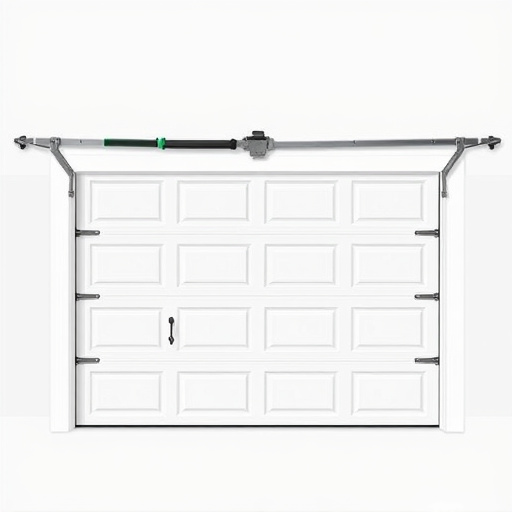
Understanding garage door spring types is crucial for safety and durability. Single springs are less expensive but require frequent replacement, while double springs distribute weight better, increasing longevity up to 15-20 years. Choose based on door size, weight, usage frequency, budget, and local climate conditions. Regular maintenance and professional installation/repairs ensure optimal performance and safety. For quality service in specified locations, contact [brand name]. How to choose between single and double springs involves balancing cost, durability, and environmental factors for best results.
Garage door springs are integral to the safety and functionality of residential and commercial garage doors alike. They bear significant weight and endure frequent use, making their condition critical for preventing accidents and ensuring smooth operation. However, understanding the distinctions between double and single springs—and how to choose between them—can be challenging. This article provides an in-depth exploration of these two types, offering insights into their respective advantages, potential drawbacks, and practical applications. By the end, readers will gain a clear understanding of how to select the most suitable spring for their needs, prioritizing safety and performance.
- Understanding Garage Door Springs: Basics & Types
- Safety Considerations: Single vs Double Springs Analysis
- How to Choose Based on Needs & Expert Advice
Understanding Garage Door Springs: Basics & Types
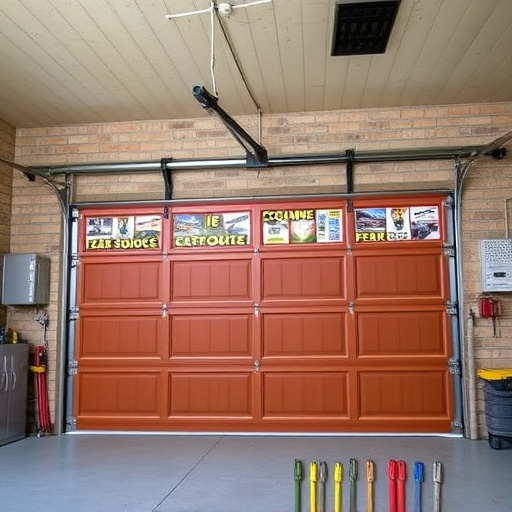
Understanding garage door springs is crucial for any homeowner looking to ensure safety and longevity of their garage door system. Garage doors are some of the heaviest moving parts in a home, making their springs vital components that support the entire structure. Springs come in two primary types: single and double. Each has distinct characteristics affecting performance, durability, and cost.
Single garage door springs, as the name suggests, feature a single coil. They’re commonly used on residential doors and are generally less expensive than doubles. However, their smaller size can lead to faster wear and tear, requiring more frequent replacement (every 5-7 years). On the other hand, double springs offer two coils working in tandem. This design distributes weight better, increasing durability (up to 10,000 cycles or 15-20 years lifespan) and reducing stress on each coil. While initially more expensive, their longevity makes them a cost-effective option in the long run.
When considering how to choose between single and double garage door springs, factors like door size, weight, usage frequency, and budget play a role. For light residential doors, singles may suffice. But for larger, heavier doors or high-usage garages, doubles are strongly recommended. Regular maintenance, including lubricating the springs every 3-6 months (ideally after replacing them) and inspecting for signs of wear, can significantly extend their lifespan. Remember that safety is paramount; always consult a professional if you’re unsure about spring selection, installation, or repair. For quality garage door upgrades tailored to your needs in Vail, Marana, or Casas Adobes, look no further than Quiet Garage Door Upgrades – find us at [brand name] for expert guidance and service.
Safety Considerations: Single vs Double Springs Analysis
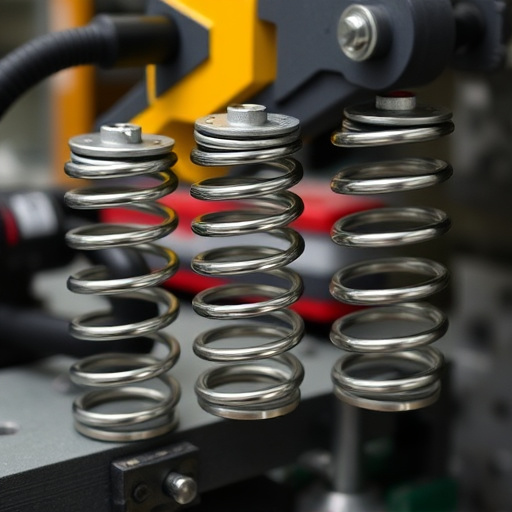
When considering garage door upgrades, especially in residential areas like Tucson or Irvine, choosing between single and double springs is a crucial decision. Safety is paramount, and understanding the dynamics of these components can help property owners make informed choices. Single garage door springs, while less expensive, have their drawbacks. They typically support only one-half of the door’s weight, leaving the other side dependent on the track and hardware for stability. This asymmetry can lead to unbalanced doors and potential safety hazards, particularly during operation or in the event of a spring failure.
Double springs, on the other hand, offer superior strength and stability by evenly distributing the door’s weight. This means a more balanced lifting mechanism, reduced strain on individual components, and potentially longer spring life. In regions like Catalina where climate conditions may vary widely, double springs can better withstand temperature fluctuations and humidity, which are known to affect the performance and longevity of garage door springs. However, this additional strength comes at a cost; double springs are more expensive and may require more frequent replacement due to their enhanced workload in commercial or heavily used residential settings.
The choice between single and double springs ultimately depends on several factors, including local climate conditions, garage door size and weight, and intended use (residential vs commercial). For example, in the Tucson area with its hot summers and cool winters, double springs might be preferable for larger, heavier doors to ensure stability throughout the year. Similarly, homeowners in Irvine considering residential garage door upgrades should weigh their specific needs against budget constraints. If cost is a primary concern but safety remains paramount, consulting local experts like Same-day garage door repair can provide valuable insights tailored to regional demands and help determine the best course of action, whether upgrading to double springs or taking other preventative measures to ensure safe operation.
How to Choose Based on Needs & Expert Advice
When considering garage door spring options, understanding the nuances between single and double springs is crucial for both safety and functionality. While single springs have traditionally been the standard, double springs are gaining recognition for their enhanced stability and performance. The choice between them hinges on specific needs and environmental factors. For instance, in regions like Vail or Tucson, where varying climates can impact spring longevity, double springs may offer a more robust solution due to their ability to distribute weight more evenly.
To choose wisely, start by evaluating your garage door’s weight and frequency of use. Single springs are typically adequate for lighter doors opened manually a few times daily. Conversely, double springs are recommended for heavier doors or those experiencing frequent cycles, such as automatic opening systems. Local experts in Tucson area can provide insights tailored to the region’s unique conditions, like diagnosing noise issues that might indicate spring wear, a common concern in Catalina.
The installation angle also plays a vital role. Proper positioning ensures optimal performance and safety. Experts advise against DIY installations, especially for double springs, due to the precision required. A professional service, like Same-day garage door repair, can ensure correct angles for both single and double spring setups, minimizing risks associated with improper installations that could lead to catastrophic failures. Regular maintenance checks by these experts are also beneficial in prolonging spring life and maintaining safety standards.
By meticulously examining the safety profiles of single vs double garage door springs, this article equips readers with the knowledge to make informed decisions. Key insights reveal that while both have merits, double springs traditionally offer enhanced stability and safety due to their redundant design. However, the choice depends on specific garrage door sizes, usage patterns, and budget. Understanding these factors allows homeowners and professionals alike to how to choose between single and double garage door springs effectively. Armed with this information, readers can prioritize safety without compromising functionality, ensuring peace of mind for years to come.