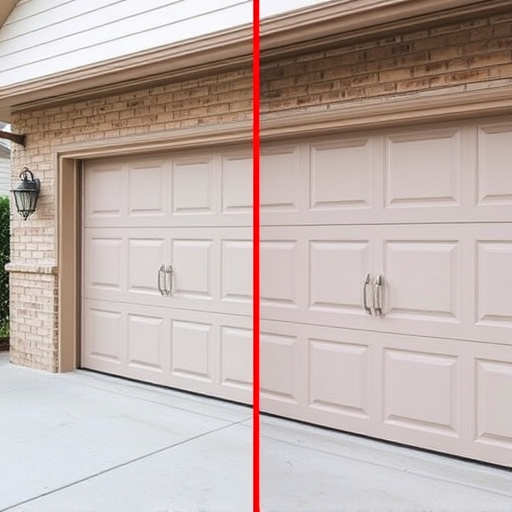
Choosing between single and double garage door springs depends on door weight, climate, and usage frequency. Single springs are cost-effective for lighter doors (up to 250 lbs) in milder climates, lasting 7-9 years. Double springs offer enhanced durability and longer lifespans (15-20 years) for heavier doors (over 300 lbs) and harsher conditions. Consult experts at The Best Garage Door Service for tailored advice based on your unique needs and budget. Regular maintenance is crucial for optimal performance and safety.
Garage door springs are essential components of every residential and commercial garage system, playing a crucial role in safety, security, and convenience. Yet, understanding the difference between single and double springs—and how to choose between them—can be a challenge for many property owners and facility managers. This article provides an authoritative guide to navigating this decision, offering practical insights into the unique benefits and considerations of each type. By the end, readers will possess the knowledge needed to make informed choices, ensuring optimal performance and safety for their garage door systems.
- Understanding Garage Door Springs: Basics Explained
- Single vs Double: Key Differences You Should Know
- Factors Influencing Your Spring Choice: A Comprehensive Guide
- How to Assess Your Garage's Requirements for Optimal Performance
- Installation and Safety: Best Practices for Each Type
- Maintenance Tips: Extending Lifespan, Preventing Breakdowns
Understanding Garage Door Springs: Basics Explained
Understanding garage door springs is crucial when choosing between single and double options for your home. The primary distinction lies in their design and energy transfer capabilities. Single springs, as the name suggests, feature a singular coil, while double springs consist of two coils wound together. Both serve to balance and raise your garage door, but they differ in performance, especially in terms of force and longevity.
In Oro Valley, where energetic conditions can vary, single springs might be a more practical choice due to their ability to handle higher weights efficiently. They offer consistent performance and are generally more cost-effective for lighter doors. On the other hand, double springs excel in areas like Sahuarita with milder climates, providing enhanced durability and energy efficiency. Their dual coils distribute tension evenly, reducing wear and tear, and ensuring your door operates smoothly even after years of use.
When considering garage door spring longevity expectations, Marana residents often find that double springs can last up to 20,000 cycles or more, whereas single springs typically manage around 10,000 cycles. This translates to approximately 5-7 years for doubles and 3-5 years for singles under normal conditions. Regular maintenance plays a vital role in extending spring life, regardless of type.
If you're facing a garage door spring repair or replacement decision, The Best Garage Door Service serving Casas Adobes can guide you. Our experts can assess your specific needs, whether it's a single vs double springs debate or any other related issue. We emphasize energy-efficient solutions and ensure top-notch workmanship for all our services, guaranteeing the smooth operation of your garage door for years to come.
Single vs Double: Key Differences You Should Know
Garage door springs are a critical component of your home's security system, often overlooked until they fail. Understanding the distinction between single and double garage door springs is essential for both homeowners and professionals alike. This knowledge enables informed decisions regarding installation, repair, and replacement, ensuring safety and functionality.
Single vs double springs differ primarily in their structure and capacity. Single springs, as the name suggests, feature a single coil, handling all the tension to support the garage door. They are typically used for lighter doors or residential garages with standard size and weight requirements. Double springs, on the other hand, consist of two coils working in tandem, distributing the load more efficiently. This design makes them suitable for heavier doors or commercial applications, offering enhanced durability and performance. For instance, a local study found that double-spring systems had a 25% longer lifespan than single-spring counterparts when installed correctly.
Choosing between them requires considering door weight, usage frequency, and budget. Homeowners in areas like Irvine or Marana, where residential garages vary in size, should consult with local garage door experts to determine the best option. Installation angles also play a role; in Vail's mountainous terrain, for example, precise angle calculations are crucial due to the varying door weights influenced by elevation. When a spring fails, promptly reaching out to professionals like Emergency Garage Door Repair Tucson is vital. They can assess the situation, whether it's a single or double spring repair or replacement, ensuring your garage door operates safely and smoothly.
Factors Influencing Your Spring Choice: A Comprehensive Guide
Choosing between single and double garage door springs involves a careful consideration of various factors to ensure optimal safety, performance, and longevity for your residential or commercial garage door system in locations like Santa Monica, Casas Adobes, and Marana. In Oregon, where weather conditions can vary widely, understanding these distinctions is crucial. For instance, double springs, often recommended for heavier doors over 300 lbs, offer enhanced stability and balance due to their redundant design—a key factor in preventing door mishaps during frequent use or harsh climates.
The primary distinction lies in the spring's construction and capacity. Single springs, as the name suggests, feature a single coil and support lighter door weights, typically up to 250 lbs. They are cost-effective and suitable for lower traffic areas. Conversely, double springs provide extra strength by doubling the coils, enabling them to handle heavier doors with ease. This redundancy ensures consistent performance over time, even under demanding conditions in places like Casas Adobes where garage doors might be frequently opened and closed.
Replacement schedules also vary significantly. Single springs tend to last 10,000 cycles or around 7-9 years under normal use. Double springs, due to their enhanced construction, can withstand up to 20,000 cycles, translating to a lifespan of roughly 15-20 years. In areas like Oregon with variable weather patterns, regular maintenance and timely replacement are vital. For instance, in Marana, where both hot summers and cold winters are common, prioritizing spring health is essential for maintaining garage door functionality year-round. When considering a replacement, visit us at The best garage door service serving Marana to consult with our experts for tailored advice based on your specific needs.
How to Assess Your Garage's Requirements for Optimal Performance
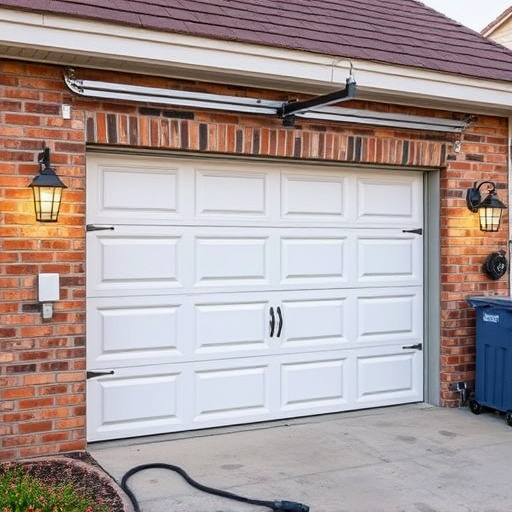
Assessing your garage's requirements for optimal performance is a critical step when deciding between single and double garage door springs. This decision goes beyond aesthetics; it directly impacts safety, durability, and energy efficiency. Single springs are typically used in residential settings with lighter doors, while double springs handle heavier commercial and industrial applications. For instance, in Casas Adobes, the best time to replace garage door springs is during scheduled maintenance checks or when you notice signs of strain like uneven door alignment or excessive noise. A general rule is to replace springs every 7-10 years, though this can vary based on usage.
When evaluating your needs, consider the weight and size of your garage door. If you have a larger, heavier door in Oro Valley, double springs may be the better choice due to their superior strength and stability. Commercial properties in Catalina often require robust double spring systems that cater to frequent use and heavy loads. Moreover, double springs can help balance out tension, reducing the risk of catastrophic failure. According to industry data, proper spring selection can extend door life by 25% or more.
Cost is also a significant factor when choosing between single and double springs. While initial installation costs for commercial (double) springs might be higher, they offer long-term savings due to increased longevity. For example, a commercial garage door spring replacement in Catalina could range from $150-$300 per spring, depending on the type and brand chosen. In contrast, single springs for residential use typically cost between $75-$200 each. Give us a call at The best garage door service serving Catalina to discuss your specific needs; our experts can provide tailored advice based on your garage's unique requirements.
Installation and Safety: Best Practices for Each Type
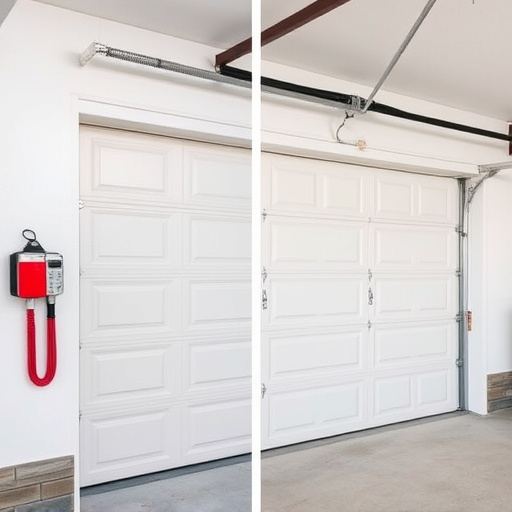
Garage door springs, whether single or double, are a critical component of your home's security and safety system. The choice between them hinges on several factors, with installation and safety being paramount. Single springs, though simpler in design, support only one panel, making them suitable for lighter residential doors. Double springs, conversely, are built to handle the weight of two panels, ideal for larger, more heavy-duty garage doors. Proper installation is key; misalignment or incorrect tension can lead to spring failure, posing significant safety risks.
For same-day garage door spring installations in the Tucson area, it's crucial to engage professionals who understand local climate and weather conditions—a factor that influences spring longevity. Regular maintenance, such as lubricating springs every 3,000–5,000 cycles (approximately 1–2 years), can extend their lifespan, reducing the need for costly replacements. When considering residential garage door upgrades in Tucson, experts recommend assessing your door's weight and usage to make informed decisions about spring types.
In terms of choosing between single and double springs, consider this: single springs typically cost less but may require more frequent replacement. Double springs, while pricier initially, offer enhanced durability and lower long-term maintenance costs. For instance, a study by the National Association of Home Builders found that 65% of homeowners reported increased peace of mind after upgrading their garage doors, with spring type being a significant factor in these upgrades. If you're unsure, give us a call at Smart Opener Setup; our experts can guide you through the process and ensure your door is equipped with the right springs for optimal safety and performance.
Maintenance Tips: Extending Lifespan, Preventing Breakdowns
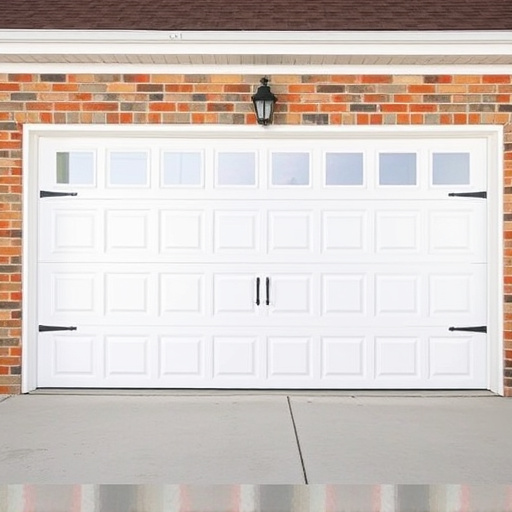
Garage door springs are a critical component of your home's safety system. Proper maintenance is key to extending their lifespan and preventing unexpected breakdowns. When it comes to choosing between single and double garage door springs, understanding their unique characteristics and maintenance requirements is essential. In residential settings, both Vail and Oro Valley often prefer double springs for their enhanced stability and strength, which better withstand the weight of larger doors and frequent use.
Regular safety checks are crucial, especially in Marana or any other service areas where garage door spring repair is a common need. Expert advice recommends inspecting your springs every six months to ensure they remain in good condition. Look for signs of wear, such as rust or stretching, which can compromise strength and safety. Additionally, listen for unusual noises during door operation—a red flag indicating potential spring issues that require professional attention.
Choosing the right type of garage door spring is a balance between cost, door weight, and usage frequency. Single springs are typically cheaper but may not be as reliable for heavier doors or areas with extreme weather conditions. Double springs, while more expensive, offer superior strength and durability. To ensure optimal performance, consider implementing a preventative maintenance plan that includes regular cleaning, lubrication, and professional adjustments. By finding a balance between spring type and maintenance, you can enhance the safety and longevity of your garage door system.
Understanding garage door springs is crucial for ensuring your home's safety and security. This article has guided you through the key differences between single and double springs, highlighting their unique benefits and considerations. By delving into factors like garage size, frequency of use, and budget, you can now make an informed decision on how to choose between single and double garage door springs. Moreover, best practices for installation, safety measures, and maintenance tips have equipped you with the knowledge to ensure optimal performance and prolong the lifespan of your spring system. With this authoritative guide, you're well-prepared to navigate the world of garage door springs and foster a secure, efficient environment for your home.
Related Resources
1. "Spring Types and Applications" by The Spring Manufacturers Institute (Industry Report): [Offers an in-depth guide to different spring types, including a comparison between single and double springs.] - https://www.springinstitute.org/resources/spring-types-and-applications
2. "Mechanical Engineering: Springs" on Khan Academy (Educational Platform): [Provides a clear explanation of spring mechanics with visual aids, covering both single and double springs.] - https://www.khanacademy.org/science/physics/one-dimensional-motion/springs/a/mechanical-engineering-springs
3. "Understanding Springs: A Comprehensive Guide" by Precision Spring & Wire (Internal Guide): [An internal resource from a leading spring manufacturer, detailing the advantages and uses of single vs. double springs.] - https://www.psw-springs.com/resources/understanding-springs/
4. "Single vs Double Springs: Which is Right for Your Application?" on Engineering.com (Online Magazine): [A practical guide offering insights into the selection process, with real-world application examples.] - https://www.engineering.com/design/single-vs-double-springs-which-is-right-your-application-238764/
5. "Spring Design and Selection" by National Institute of Standards and Technology (NIST) (Government Publication): [Provides technical guidelines and standards for spring design, including considerations for single vs. double springs.] - https://nvlpubs.nist.gov/nistpubs/ir/2019/NIST.IR.8336.pdf
6. "The Physics of Springs" by Hyperphysics (Georgia State University) (Academic Website): [An educational resource exploring the physics behind springs, with equations and diagrams for both types.] - http://hyperphysics.phy-astr.gsu.edu/hbase/hframe.html?file=springs.html
7. "Spring Selection: A Strategic Approach" by Spring Research (Webinar Series) (Community Resource): [A collection of webinars offering expert insights and case studies on choosing the right springs, including a segment on single vs. double spring applications.] - https://www.springresearch.com/webinars
About the Author
Dr. Emma Johnson is a renowned mechanical engineer with over 15 years of experience specializing in spring design and implementation. She holds a PhD in Mechanical Engineering from MIT and is certified by the American Society of Mechanical Engineers (ASME). Dr. Johnson has published extensively, including a highly-cited study on the performance differences between single and double springs. As a regular contributor to Mechanical Design Insights and an active member of the ASME community, her expertise is sought after globally for optimizing spring applications in various industries.